


Beginnings in veterinary medicine
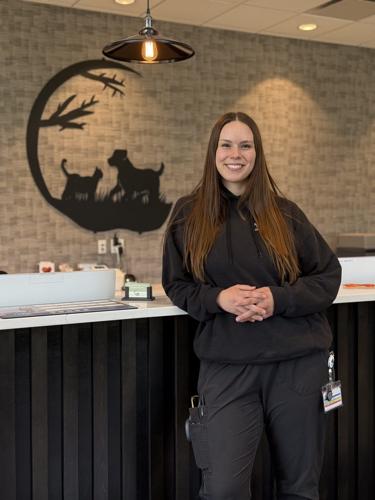
Ruby Monsma’s path into veterinary medicine started with a part-time job in high school. After moving from Oregon to the Quad Cities, she graduated early from Moline High School and began working as a kennel attendant at a local veterinary clinic. What started as an entry-level position quickly turned into a career goal.
“My coworkers really inspired me to go to school and further my education in veterinary medicine,” Ruby said. “They helped me weigh the pros and cons of doctor versus technician, and I decided to go with technician because I love being involved in the clinic and all the technical skills that I get to do.”
Ruby discovered Black Hawk College’s Veterinary Technology program during a visit to her high school. At the time, she was still deciding on a career path, considering several health care-related professions. After hearing positive feedback about the program, she decided to enroll.
People are also reading…
A supportive environment
Throughout the program, Ruby balanced full-time coursework with work and living independently. She said the support she received from faculty played a major role in helping her succeed.
“I was grateful for my teachers and instructors,” Ruby said. “They made it so much easier for me. They were always there for me if I needed help.”
She specifically credited Janet Johnson for helping shape her experience in the program. “You can really tell that she cares a lot about her students, and she really cares about producing quality technicians in the workforce,” she said.
“Ruby has demonstrated exceptional dedication and professionalism,” said Janet Johnson, CVT, assistant professor and veterinary technology program director. “The experiences and hands-on skills she’s gained have gone far beyond the scope of what can be taught in the classroom. I am incredibly proud of her growth, leadership and commitment to veterinary medicine.”
Hands-on opportunities
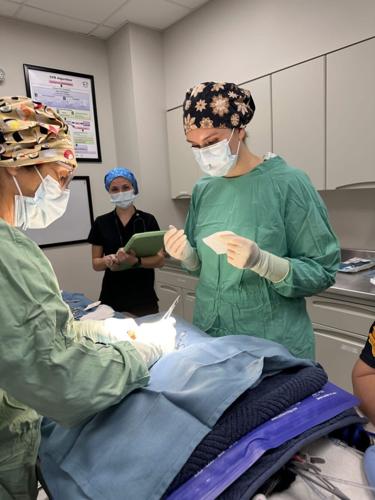
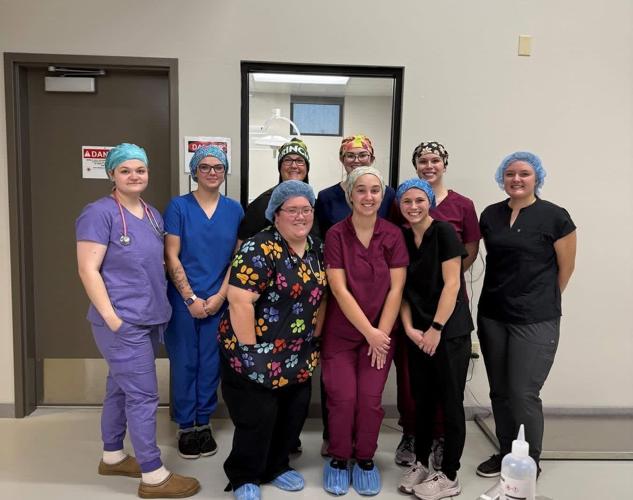
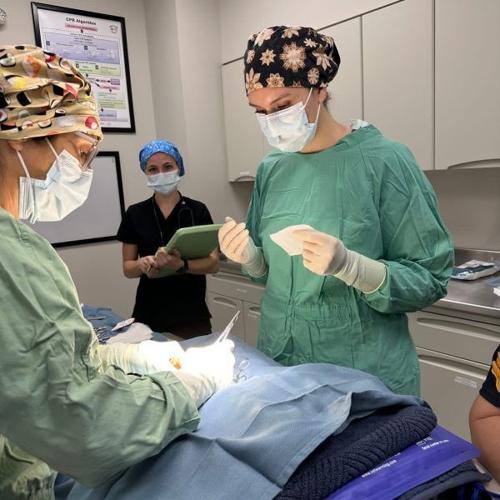
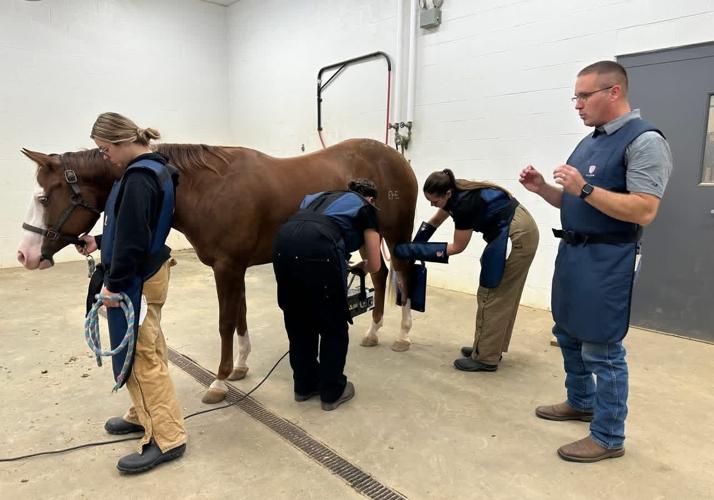
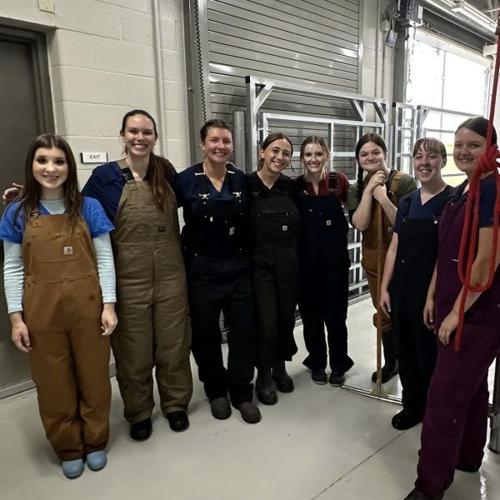
The program’s hands-on learning opportunities helped Ruby build confidence in clinical settings before graduation. Students participated in surgery labs, large animal labs, kennel shifts and exotic animal experiences, including visits to an exotic bird sanctuary.
“They really set us up for success with how many hands-on skills that we got to do and practice,” Ruby said. “That made me feel more confident coming into a clinic setting.”
Faculty also connect students with internship opportunities. During her time in the program, Ruby completed internships at both Creekside Veterinary Hospital and Referral Center in Davenport and the University of Illinois Veterinary Teaching Hospital, where she gained experience in emergency and critical care.
“I wanted more experience in emergency and critical care,” she said. “I wanted to feel more confident in my decision-making in stressful situations, and I definitely met that goal.”
A future in veterinary medicine
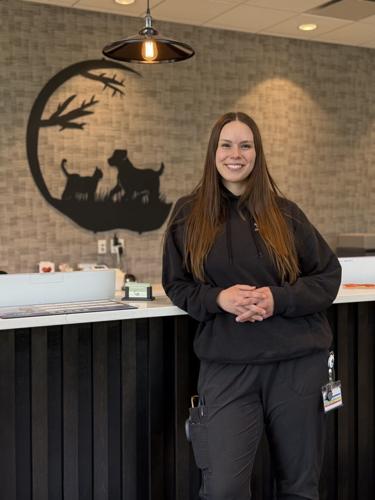
Those experiences helped prepare her for employment after graduation. Ruby now works at Creekside, the same clinic where she completed an internship.
Looking back on her first day in the program, Ruby said the biggest change has been her confidence.


