


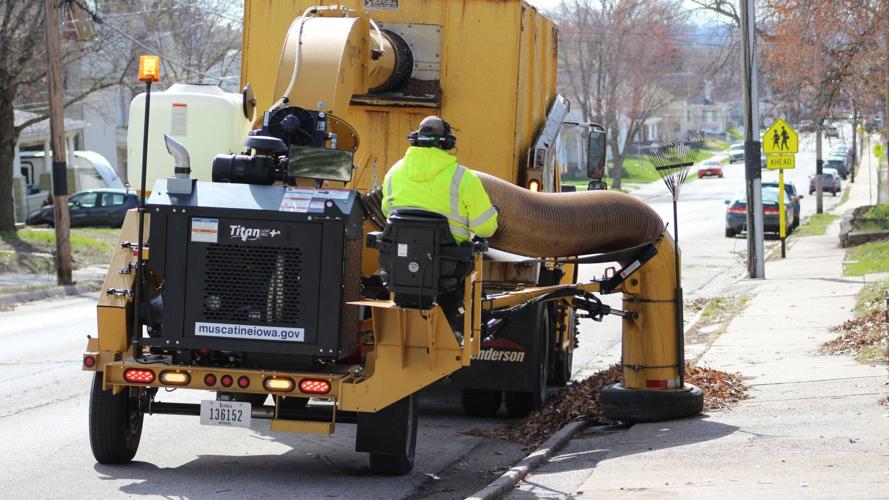
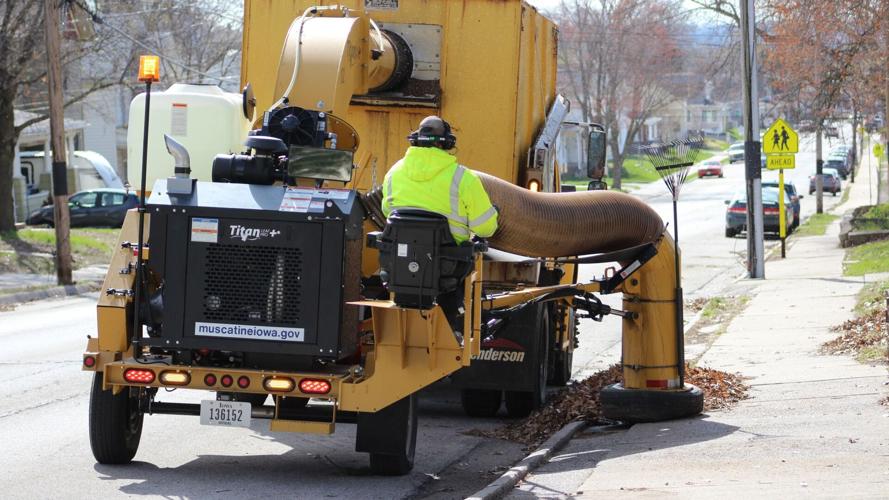
MUSCATINE, Iowa – With fall colors arriving across Muscatine, the Department of Public Works (DPW) is preparing to launch the annual Fall Leaf Collection Program beginning Monday, October 26, starting in Zone 1.
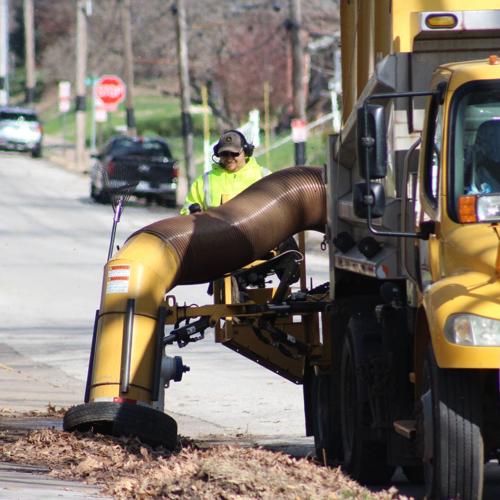
City leaf vacuum trucks will canvass neighborhoods zone-by-zone, completing a full pass before moving to the next area. Crews will continue cycling through all eight zones as long as weather conditions allow. No fixed schedule will be used this year.
Residents may begin raking leaves to the boulevard area next to the curb on their property.
Street Maintenance Supervisor Tyson Wedekind said DPW will begin with two leaf vacuum trucks and add additional units as needed.
“Residents should rake frequently as crews will make multiple passes through each zone,” Wedekind said. “Without a set schedule, crews will work numerically through each zone until leaves are collected or until snow begins to fall.”
People are also reading…
Parked vehicles can obstruct leaf piles and prevent collection. Residents are asked to avoid parking near leaf piles; blocked piles will be collected on the next pass once vehicles are moved.
DPW also reminds residents not to mix trash, branches, or other yard debris with leaf piles, as these materials can clog vacuum equipment.
Inclement weather may delay operations. Snow and ice control take priority, and heavy rain or equipment issues may slow progress. Significant snowfall may suspend leaf collection until spring.
Leaf collection guidelines
- Place leaves near the curb, but not in the street or beyond the curb line.
- Keep leaves free of branches and twigs to prevent equipment damage.
- Do not place leaves inside fenced areas.
- Avoid placing leaves around obstacles such as mailbox posts, sign posts, or light poles.
- Do not mix debris with leaves — piles containing refuse will not be collected.
- Do not place leaves on City cul-de-sacs or vacant land except along the public right-of-way.
For questions, contact the Department of Public Works at 563-263-8933.
Bag and take to the Compost Facility
- The Compost Facility at the Transfer Station remains open throughout fall, weather permitting.
- Current hours:
- 12–6 p.m. Sunday–Friday
- 9 a.m.–6 p.m. Saturday
- Beginning Nov. 2 (Daylight Savings Time):
- 12–5 p.m. Sunday–Friday
- 9 a.m.–5 p.m. Saturday
Muscatine and Fruitland residents may drop off yard waste free of charge with proof of residency. Non-residents pay a small fee.
Bag and set out on regular collection day
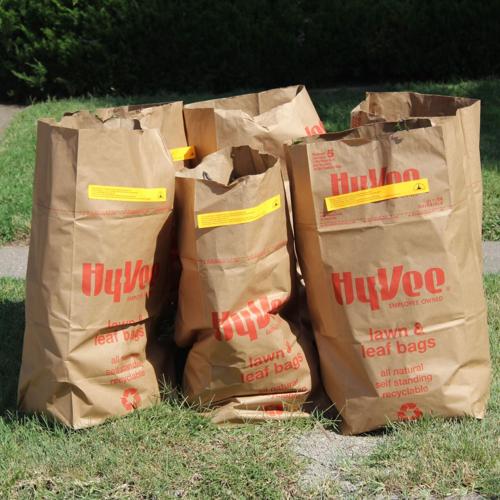
Residents may place leaves in 20- or 30-gallon paper yard waste bags with a City of Muscatine yard waste sticker for curbside pickup on their regular refuse collection day.
Curbside collection guidelines
- Grass clippings, leaves, and garden waste must be in paper compostable bags with a City sticker.
- Yard waste only — no trash, recycling, building materials, or animal waste.
- Do not overfill bags (50-lb maximum).
- Place bags at the curb after 4 p.m. the day before collection and before 5 a.m. the day of collection.
- Purchase stickers at: Muscatine Transfer Station, City Hall, Public Works, Hy-Vee (both locations), and Fareway.
- Tree limbs and trimmings may be taken to the Compost Facility during normal hours.
Iowa DNR: Three healthy ways to manage fall leaves
Burning leaves is illegal on Muscatine properties of two acres or less and releases pollutants harmful to children, older adults, and individuals with respiratory or heart conditions. The Iowa DNR recommends:
- Compost — Mix dry leaves with food scraps or grass clippings to create nutrient-rich compost.
- Mulch — Shred leaves with a mower and leave them on your lawn as natural fertilizer.
- Bag — Bag excess leaves for curbside pickup or drop them off at the Compost Facility.
Know the law: Open burning
Open burning is allowed only with a permit (Title 15, Chapter 5). Residents with one acre or more may apply through the Muscatine Fire Department to burn landscape waste from their property.
- Building materials cannot be burned.
- A Fire Department representative will evaluate conditions to ensure the burn does not create smoke hazards or safety risks.
- Burning must be done in small, controllable piles; large piles are prohibited.


